

Pelvic Health
Pelvic Health Physiotherapy at Sport Medicine Physiotherapy
Pelvic health physiotherapists have completed extensive additional training in assessing, diagnosing, and treating pelvic floor region. Weak, tight, uncoordinated, or damaged pelvic floor muscles can contribute to incontinence and/or pelvic pain and both men and women.
Conditions Pelvic Floor Physiotherapy Can Treat
Female
Incontinence (accidental leakage –urinary, faecal), overactive bladder
Pelvic pain/pressure/heaviness
Pelvic organ descent and prolapse
Pregnancy related issues
Rectus diastasis
Frequent urination or immediate uncontrollable urge to urinate
Unrelenting low back pain and/or groin pain
Colorectal conditions and constipation
Interstitial Cystitis (IC)
Pelvic Pain (provoked vestibulodynia, vaginismus, coccydynia, vulvodynia)
Dyspareunia (painful intercourse)
Dysmenorrhea (menstrual pain)
Pelvic Congestion Syndrome (PCS)
Irritable Bowel Syndrome (IBS)
Endometriosis
Genitourinary Syndrome of Menopause (GSM)
Clitoral Phimosis
Lichens Simplex, Lichens Sclerosis, Lichens Planus
Persistent Genital Arousal Disorder (PGAD)
Bladder Pain Syndrome (BPS)
Sacroiliac & pubic symphysis dysfunction
Caesarean scar management
And more!
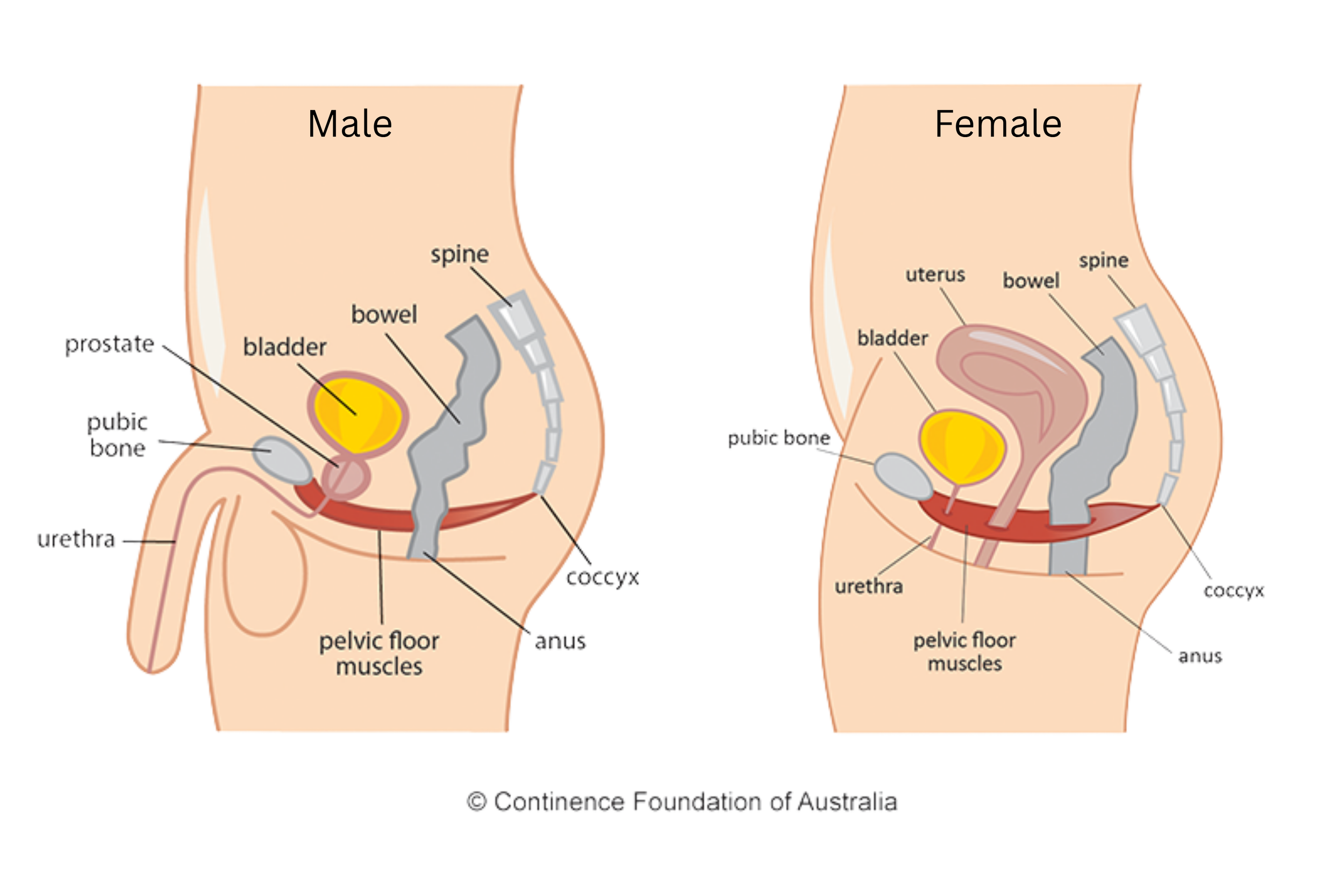
Male
Incontinence (accidental leakage –urinary or faecal), overactive bladder
Pelvic organ prolapse
Frequent urination or immediate uncontrollable urge to urinate
Unrelenting low back pain and/or groin pain
Colorectal conditions and constipation
Interstitial Cystitis (IC)
Chronic Pelvic Pain Syndrome/ Chronic Non-Bacterial Prostatitis/ Prostatodynia
Pelvic Pain (penile, perineum, coccyx/tailbone), groin, rectal, testicular, scrotal, etc.)
Dyspareunia (painful intercourse)
Irritable Bowel Syndrome (IBS)
Bladder Pain Syndrome (BPS)
Sacroiliac & pubic symphysis dysfunction and more!
How Can Pelvic Health Physiotherapy Help?
Education specific to your condition(s)
Optimize strength, endurance, timing, and coordination of the pelvic floor muscles
Bladder irritant education
Individualized exercise program
Evoke the relaxation response
Poor habit recognition & retraining
Dietary management
Promotion of normal bladder and bowel habits
Am I At Risk?
Pelvic Floor Dysfunction Risk Factors
Female
Pregnancy and birth
Obesity
Over 40 years old
Obstetric trauma (forceps, suction, tearing)
Having had more than one child (multiparous)
Certain medications
Chronic straining
Female (85% of urinary incontinence occurs in women)
Gynaecological or urinary surgery
Smoking
Post menopausal (hormone changes)
Male
Obesity
Over 40 years old
Certain medications
Chronic straining
Bladder surgery
Smoking
Prostatectomy
“Kegels” are NOT “One Size Fits All”
Many people have heard of the term “Kegel” before. In the 1940’s Dr. Kegel decided women needed to exercise their pelvic floor, giving us the term “Kegels”.
It’s important to understand that not everyone should be doing Kegels… even if they are experiencing urinary leakage or pelvic pain. This is because the cause might not necessarily be weakness. On top of that, studies show that verbal cueing and imagery does not ensure women complete Kegels properly. Most people end up doing “Kegels” wrong and some shouldn’t be doing them at all.
So what does “Kegels are not one size fits all” mean? The reason for your pelvic floor dysfunction could be due to weakness, tightness, poor coordination, a timing issue, poor habits, or a combination of these factors. Therefore, if you started doing “Kegels” without knowing what the cause is, you’d likely be unsuccessful and could make things worse. You also wouldn’t be addressing the cause of the dysfunction which can lead to a lot of frustration!
What Can I Expect From A Pelvic Health Physiotherapy Assessment?
Detailed review of your past medical history and current history
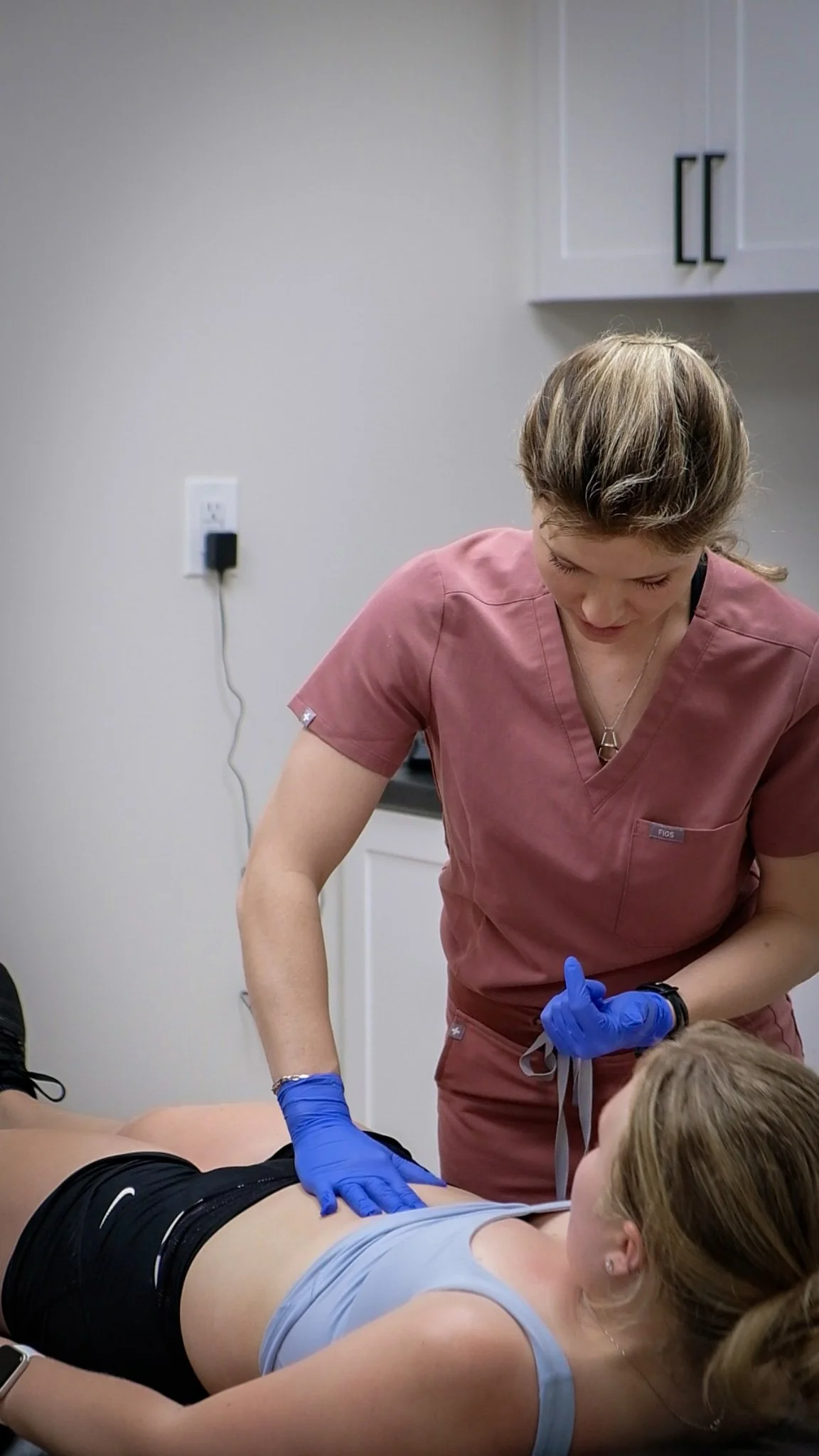
An assessment of the pelvic muscles, ligaments, alignment and mechanics in order to determine musculoskeletal contribution to pelvic dysfunction
Usually includes an external and internal (vaginal and/or rectal) examination of the pelvic floor and surrounding muscles (please note, this is not mandatory and completely up to you)
One-on-one assessment and follow up treatments with a registered pelvic health physiotherapist
Why Is An Internal Exam Recommended?
1. Up to 50% of people are not able to do an effective pelvic floor muscle contraction (this is key to a pelvic floor muscle training program).
2. Palpation is required to assess tone, strength, endurance, and determining motor control strategies of the pelvic floor muscles.
3. Some pelvic floor muscles require muscle relaxation and coordination, not strengthening. This can only be determined by an internal examination.
Want to learn more? Book a pelvic health physiotherapy appointment with one of our pelvic health physiotherapists. Please see contact information for details.